
When Do You Need IV Fluids for Dehydration?
You have been drinking water, yet your mouth remains dry, standing makes you dizzy, and nausea makes every sip difficult. Should you keep trying fluids at home, or could you need medical care? Adults considering IV hydration in Palm Beach Gardens may face this question during a stomach illness, fever, heat exposure, or another condition that causes fluid loss. Recognizing how dehydration progresses and how physicians decide whether IV fluids are appropriate can help you respond before your symptoms become more serious.

How Do You Know When Dehydration May Require IV Fluids?
Dehydration occurs when your body loses more fluid than it takes in. Water supports circulation, temperature regulation, digestion, and normal organ function. Your body also relies on electrolytes, including sodium and potassium, for nerve signals, muscle activity, and fluid balance.
Sweating, vomiting, diarrhea, fever, and reduced fluid intake can contribute to dehydration. Some medications and health conditions may increase the risk. IV fluids may be considered when oral hydration is insufficient, cannot be tolerated, or would not restore fluid levels quickly enough.
Mild Dehydration May Respond to Oral Fluids
Thirst is often an early signal that your body needs more fluid. Mild dehydration may also cause dry lips, a dry mouth, darker urine, less frequent urination, tiredness, or a headache.
Someone who remains alert, can drink comfortably, and is not vomiting repeatedly may be able to rehydrate orally. Small, frequent sips may be easier to tolerate than drinking a large amount at once.
Plain water may be adequate after mild fluid loss. After vomiting or diarrhea, an oral rehydration drink may help replace both fluid and electrolytes. Sports drinks may also help replace electrolytes, but some contain considerable sugar.
Worsening Symptoms Need Medical Evaluation
Dehydration may require prompt assessment when drinking does not improve your symptoms or you cannot keep fluids down. Warning signs include:
- Persistent dizziness, especially after standing
- A rapid heartbeat
- Very dark urine or reduced urination
- Repeated vomiting
- Severe diarrhea
- Increasing weakness
- Confusion or unusual drowsiness
- Fainting or feeling close to fainting
- Rapid breathing
The National Library of Medicine advises obtaining immediate medical help for confusion, fainting, lack of urination, rapid breathing, or a rapid heartbeat. These symptoms may indicate severe dehydration or another condition requiring urgent evaluation.
Call 911 if the person is difficult to wake, loses consciousness, has severe breathing difficulty, develops chest pressure, or shows signs of stroke. These symptoms require an emergency department rather than an outpatient hydration appointment.
Inability to Drink Can Change the Care Plan
Oral fluids are usually the first response to mild dehydration. This approach becomes less practical when nausea or vomiting prevents fluid intake.
A stomach infection may cause vomiting and diarrhea at the same time. Fever can increase fluid loss, while nausea reduces the desire to drink. Even frequent sips may trigger further vomiting. IV fluids allow fluid to enter the bloodstream without passing through the digestive system.
The cause of vomiting still needs attention. A physician may consider its duration, frequency, associated pain, medications, recent meals, and other symptoms. Severe abdominal pain, blood in vomit or stool, confusion, or fainting may require hospital care.
Illness and Fever Can Increase Fluid Loss
Fever can increase fluid needs, especially when it occurs with sweating, rapid breathing, vomiting, or diarrhea. A sore throat, nausea, fatigue, or weakness may also make drinking more difficult.
Dehydration can accompany influenza, pneumonia, urinary infections, kidney infections, or skin infections. IV fluids can address fluid loss, but they do not identify the illness causing it. Medical assessment may include vital signs, a physical examination, urine testing, bloodwork, or other diagnostic services based on the symptoms.
An infection accompanied by confusion, severe shortness of breath, clammy skin, extreme discomfort, or a weak pulse may indicate sepsis. The Centers for Disease Control and Prevention describes sepsis as a life-threatening medical emergency. Call 911 when these warning signs occur.
Heat Exposure Can Cause Dehydration Quickly
Hot, humid weather can make it harder for sweat to evaporate and cool the body. Outdoor work, exercise, or prolonged sun exposure may lead to considerable fluid and electrolyte loss.
Heavy sweating, headache, nausea, dizziness, and weakness may occur with heat exhaustion. Move to a cooler place and drink cool fluids if the person is alert and able to swallow.
Confusion, loss of consciousness, seizures, or very high body temperature can indicate heat stroke. The CDC recommends calling 911 for suspected heat stroke.
Health History Influences Fluid Needs
Older adults may not feel thirst as strongly as younger adults. Mobility limitations, memory changes, swallowing difficulties, and medications may also affect fluid intake.
Kidney disease, heart disease, diabetes, and other conditions can influence fluid balance. Diuretics increase urine production, while some medicines may contribute to vomiting or diarrhea. People with kidney or heart conditions may require careful fluid management.
A physician considers medical history, medications, symptoms, and examination findings before recommending IV fluids. Receiving more fluid is not always appropriate and may be risky for someone whose body cannot process it normally.
How Physicians Assess Dehydration
A medical visit generally begins with a review of your symptoms, fluid intake, medications, and health history. The physician may ask how often you have vomited, whether you are urinating, and when you last kept fluids down.
The assessment may include:
- Heart rate and blood pressure
- Temperature and breathing rate
- Oxygen level
- Mental alertness
- Signs of dryness
- Heart, lung, or abdominal examination
- Point-of-care laboratory testing
Testing may help identify electrolyte changes, kidney function concerns, infection, or another reason for your symptoms. The findings help the physician determine whether oral fluids, IV hydration, medication, further testing, or hospital care is appropriate.

What Happens During IV Hydration?
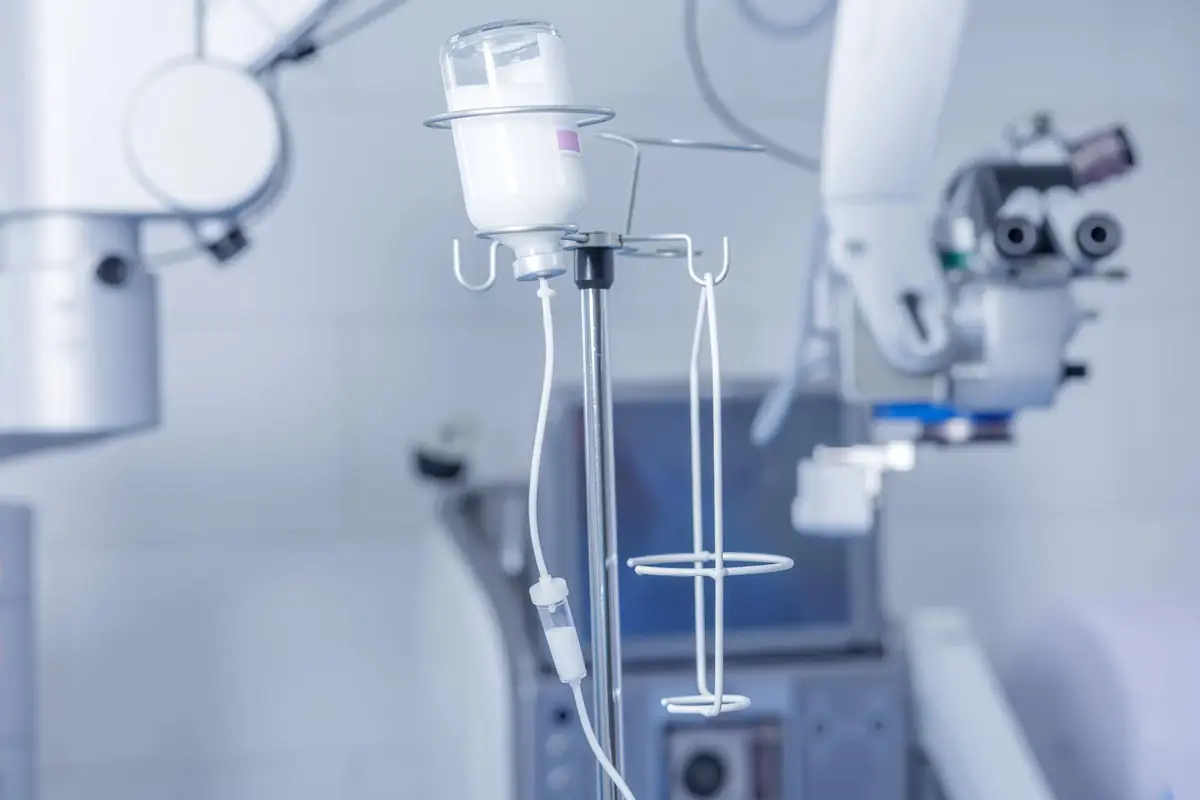
A clinician places a small IV catheter into a vein. Fluids then enter the bloodstream at a controlled rate. The fluid type and amount depend on your symptoms, health history, test results, and clinical needs.
Your heart rate, blood pressure, symptoms, and IV site may be monitored during the infusion. Medication for nausea may also be administered when clinically appropriate. A post-infusion assessment allows the physician to evaluate your response and provide follow-up instructions.
Frequently Asked Questions
Can you be dehydrated even if you are drinking water?
Yes. You may continue losing fluid through vomiting, diarrhea, fever, or heavy sweating faster than you can replace it.
Does every case of dehydration require IV fluids?
No. Mild dehydration often responds to oral fluids. IV fluids may be considered when symptoms worsen; oral fluids cannot be tolerated, or medical findings indicate a need for intravenous support.
How quickly do IV fluids work?
Response times vary. The degree of dehydration, underlying illness, fluid administered, and health history can affect how you feel afterward.
Can fatigue alone mean you need IV fluids?
Fatigue has numerous possible causes. A medical evaluation can determine whether dehydration or another health issue may be responsible.

Physician-Led IV Hydration in Palm Beach Gardens
Palm Beach Critical Care provides physician-led outpatient acute care for adults whose non-life-threatening symptoms may require more than a routine medical visit. Its IV hydration visit includes an extended physician evaluation, point-of-care testing, monitored fluids, and follow-up instructions.
Contact Palm Beach Critical Care to ask about same-day availability for dehydration associated with nausea, vomiting, fever, or acute illness. Call 911 if symptoms appear life-threatening.