
Do You Need the ER or Same-Day Acute Care?
Sudden symptoms can make it difficult to decide where to seek medical attention. You may feel too sick to wait for a routine appointment but remain unsure whether a hospital visit is necessary. Adults comparing ER services in Palm Beach Gardens, FL, with same-day acute care need clear guidance based on symptom severity, available medical resources, and personal risk factors. Knowing which setting matches your needs can help you act promptly without underestimating a potentially serious medical condition or delaying care.

Choosing the Appropriate Level of Medical Care
Emergency departments and advanced acute care clinics serve different medical needs. An emergency department has the staff and equipment required for life-threatening conditions, major injuries, and illnesses that may require hospitalization. Same-day acute care is designed for medical issues that require prompt physician attention but do not appear to be life-threatening.
Your symptoms, their severity, how quickly they developed, and your health history all influence where you should go. If you cannot confidently rule out an emergency, call 911 or seek guidance from a healthcare professional.
When You Should Go to the Emergency Room
Call 911 or go directly to an emergency department when symptoms suggest a threat to your life, breathing, circulation, brain, or another major organ. Emergency departments can provide continuous monitoring, advanced imaging, resuscitation, emergency procedures, and access to hospital specialists.
Warning signs include:
- Severe chest pain or pressure
- Severe difficulty breathing
- Blue or gray lips
- Loss of consciousness
- Sudden confusion or inability to wake
- A first seizure or a seizure lasting several minutes
- Facial drooping, slurred speech, or one-sided weakness
- Sudden loss of vision, balance, or coordination
- Uncontrolled bleeding
- A severe allergic reaction with breathing difficulty
- A severe headache with a stiff neck
- Major burns, poisoning, or overdose
The Centers for Disease Control and Prevention identifies chest discomfort, shortness of breath, weakness, lightheadedness, cold sweats, and discomfort in the jaw, neck, back, arms, or shoulders as possible symptoms of a heart attack. Call 911 immediately if a heart attack may be occurring.
Stroke symptoms also require immediate action. The CDC advises calling 911 for sudden weakness or numbness, confusion, difficulty speaking, vision changes, loss of balance, or a sudden, severe headache.
Do not drive yourself if you feel faint, confused, severely short of breath, or unable to remain alert. Emergency medical personnel can begin providing assistance while transporting you to the hospital.
When Same-Day Acute Care May Be Appropriate
Same-day acute care may be appropriate when you need prompt physician attention but have no signs of a life-threatening emergency. This setting can provide timely evaluation, diagnostic testing, and certain medications without the resources of a hospital emergency department.
Medical issues that may be suitable for same-day acute care include:
- Fever without emergency warning signs
- A worsening cough with mild breathing discomfort
- Suspected pneumonia without severe respiratory distress
- Painful or frequent urination
- Possible urinary or kidney infection
- Red, warm, or swollen skin
- Nausea, vomiting, or mild to moderate dehydration
- Weakness or dizziness without loss of consciousness
- Minor wounds
- Sprains or other minor musculoskeletal injuries
These symptoms still require careful assessment. For example, a cough may reflect a mild respiratory illness, pneumonia, or another condition. Painful urination may indicate a urinary infection, while back pain, fever, or vomiting may suggest kidney involvement.
A physician can evaluate the complete symptom pattern and determine whether outpatient care is appropriate. If the findings point to a condition requiring hospital resources, you may be directed to an emergency department.

Fever and Infection Can Change Quickly
A mild infection may begin with fatigue, discomfort, or a low fever. Prompt evaluation becomes more important when symptoms intensify, return after improving, or occur in someone with a higher clinical risk.
An infection can sometimes lead to sepsis, the body’s extreme response to an infection. Possible warning signs include clammy skin, confusion, extreme discomfort, fever or shivering, a rapid heart rate, a weak pulse, and shortness of breath. The CDC identifies sepsis as a life-threatening medical emergency.
Go to an emergency department if an infection is accompanied by confusion, severe breathing difficulty, fainting, extreme weakness, or rapidly worsening symptoms. A stable adult with fever, urinary symptoms, localized skin redness, or a worsening cough may be eligible for an initial evaluation in a same-day acute care setting.
Consider Your Health History
The same symptoms may carry different risks for different adults. Diabetes, heart disease, kidney disease, chronic lung disease, cancer, reduced immune function, and certain medications can affect how an illness develops.
Older adults may also show less familiar signs of illness, such as reduced alertness, sudden weakness, or confusion. Contact a healthcare professional promptly when symptoms change quickly or feel different from previous illnesses.
How Dehydration Affects the Decision
Vomiting, diarrhea, fever, and reduced fluid intake can lead to dehydration. Thirst, dry mouth, darker urine, fatigue, and dizziness may occur with mild fluid loss.
Same-day acute care may be appropriate if you have difficulty drinking, feel dizzy when standing, or urinate less than usual but remain alert and medically stable. A physician can assess your vital signs and decide whether oral hydration, IV fluids, testing, or hospital care is appropriate.
Confusion, fainting, no urination, rapid breathing, or a rapid heartbeat can indicate severe dehydration and require prompt medical attention.
What Same-Day Evaluation May Include
A same-day visit usually begins with a review of your symptoms, medications, medical history, and vital signs. The physician then performs an examination focused on the affected area or body system.
Available capabilities may include:
- Point-of-care laboratory testing
- Bloodwork or urine testing
- Digital X-rays
- Point-of-care ultrasound
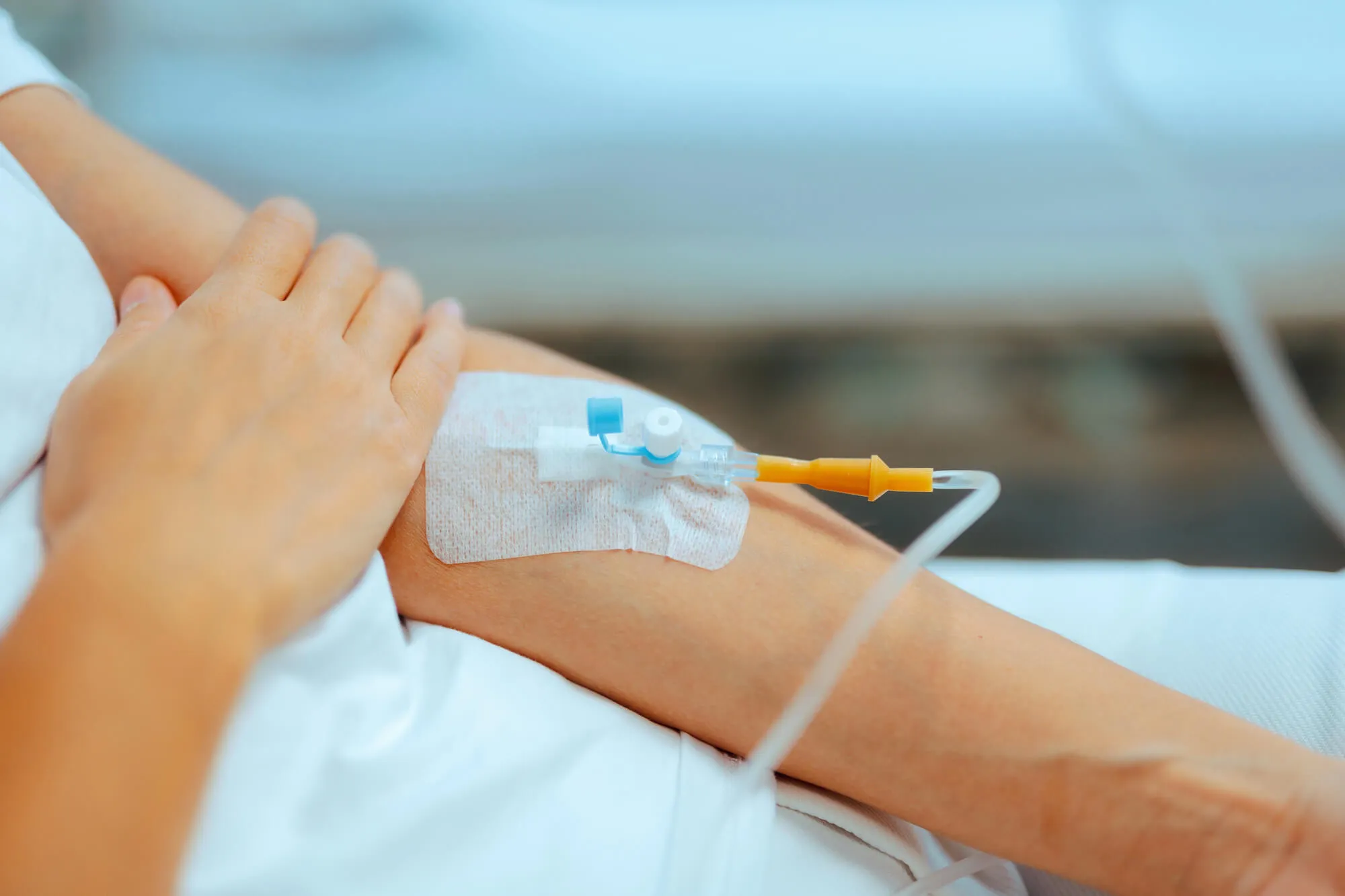
- IV fluids
- IV medications
- Vital-sign monitoring
Not every patient requires every service. The physician selects diagnostic services based on examination findings and medical risk. Certain results may be available quickly, while other laboratory studies require additional processing time.
Frequently Asked Questions
Can I choose same-day acute care for chest discomfort?
Chest pain or pressure may indicate a heart attack or another serious condition. Call 911 rather than attempting to assess the cause yourself.
Can a fever be evaluated outside the ER?
A stable adult with fever and no emergency warning signs may be evaluated in a same-day setting. Confusion, severe breathing difficulty, a seizure, fainting, or a stiff neck requires emergency care.
What if I am uncertain which setting I need?
Call 911 when symptoms may be life-threatening. For stable symptoms, speak with a healthcare professional who can ask questions about severity, duration, and medical history.

Considering ER Services in Palm Beach Gardens, FL, or Same-Day Acute Care?
Choosing the appropriate setting begins with an honest assessment of symptom severity. Life-threatening symptoms require calling 911 and going to the emergency department. Stable acute illnesses may be suitable for prompt outpatient evaluation.
Palm Beach Critical Care provides physician-led acute care for adults in a calm, private setting. Available capabilities include rapid testing, on-site imaging, IV fluids, and IV medications when clinically indicated. Contact the practice to discuss same-day appointment availability. If your symptoms appear life-threatening, call 911 immediately.